

让采集者活下来的五条规则
- 要么 100 % 确认,要么不吃。“八九不离十”正是把人送进急诊室的方式。如果你不能完全有把握地说出这株植物的属和种,并排除所有相似植物,那就不要吃它。
- 先学会认致命的那几种。在学会采什么之前,先学会永远不采什么。毒芹(poison hemlock)、毒水芹(water hemlock)、颠茄(deadly nightshade)和致命鹅膏(destroying angel)值得背得滚瓜烂熟。
- 一次只试一种新植物。少量尝一种新的可食植物,然后等 24 小时。这样万一身体不舒服,你会清楚知道是什么引起的。
- 了解你采集的地方。避开路边(汽车尾气和融雪盐)、打过药的草坪,以及工业排污的地方。野生不等于干净。
- 只取你用得上的,多留一些。采集是你和一个地方之间的关系。过度采摘会终结这段关系。
怎么看懂安全等级
Moon Phase Garden 应用里的每一种野生可食植物都带有一个彩色的安全等级。在你了解细节之前,它能让你迅速判断这株植物需要多少谨慎。
| 等级 | 含义 |
|---|---|
| 🟢 绿色 | 很难与危险植物混淆,处理起来也宽容。适合入门:蒲公英、繁缕、马齿苋。 |
| 🟡 黄色 | 可以吃,但确实有前提:有有毒的相似植物、必须经过某个处理步骤,或者有必须避开的部位。慢下来,逐条核对。 |
| 🔴 红色 | 只适合真正有经验的采集者。容错空间很小:要么相似植物很危险,要么这株植物必须仔细加工才安全。 |
有毒相似植物面板从不隐藏
这是整个应用里最重要的一个设计决定,所以要说清楚:每一条采集词条都把危险的相似植物直接放在这株植物旁边——始终可见,绝不会藏在需要你去找的标签页里。在这里,一次误译或一条被藏起来的警告不是错别字,而是一次中毒。出门之前值得先记住的几组:
| 你想要的是…… | 千万别把它认成…… |
|---|---|
| Wild carrot (Queen Anne's lace) | Poison hemlock & water hemlock — among the deadliest plants in North America. |
| Wild garlic / ramps | Lily of the valley and false hellebore — no onion smell, and toxic. |
| Elderberries | Pokeweed: never eat the berries. Elder: cook ripe berries only; never eat stems, leaves or unripe berries. |
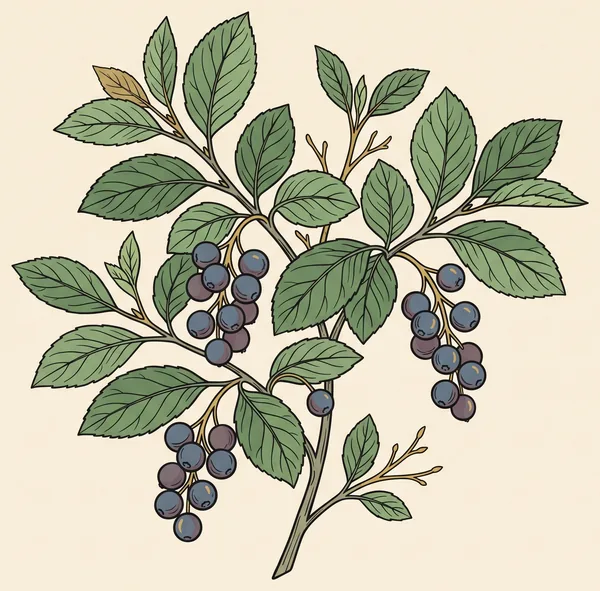 Blue/black wild berries Blue/black wild berries | Deadly nightshade and pokeberries. |
几种适合起步的宽容植物
如果你是新手,就从真正不容易认错的植物开始——而且每一株仍然要确认。每一种都标出了 App 里的安全等级——🟡 表示有一件事必须先核对。
| 植物 | 为什么适合新手 |
|---|---|
| 🟢 蒲公英(dandelion) | 特征鲜明,全株可食,到处都是。叶、花、根都能用。 |
| 🟡 黑莓/树莓(blackberry / raspberry) | 长在带刺茎蔓上的聚合果(一簇簇小珠粒)。标为黄色,是因为并非每一簇浆果都是悬钩子:每次都要确认带刺的茎蔓和珠粒状的果实,也要当心刺。 |
| 🟢 繁缕(chickweed) | 温和、数量多、容易认的沙拉菜。Look-alike: scarlet pimpernel (toxic) — square stems, orange or blue flowers, no line of hairs. Chickweed has round stems with a single line of fine hairs. |
| 🟡 藜(lamb’s quarters) | 营养价值极高。像菠菜一样煮熟,适量食用(含草酸盐)。Look-alike: young nightshade seedlings (toxic). Lamb's quarters has a white, mealy coating on its new leaves; nightshade does not. |
| 🟡 香蒲(cattail) | 所谓“沼泽里的超市”——只在干净水域采收,因为香蒲会吸收水里带来的一切。Young shoots look like iris (toxic) — confirm last year's brown seed heads on the same stand before you pick. |
采集前必知:安全植物与致命的相似植物
1 · Ramps vs. Death Camas致命
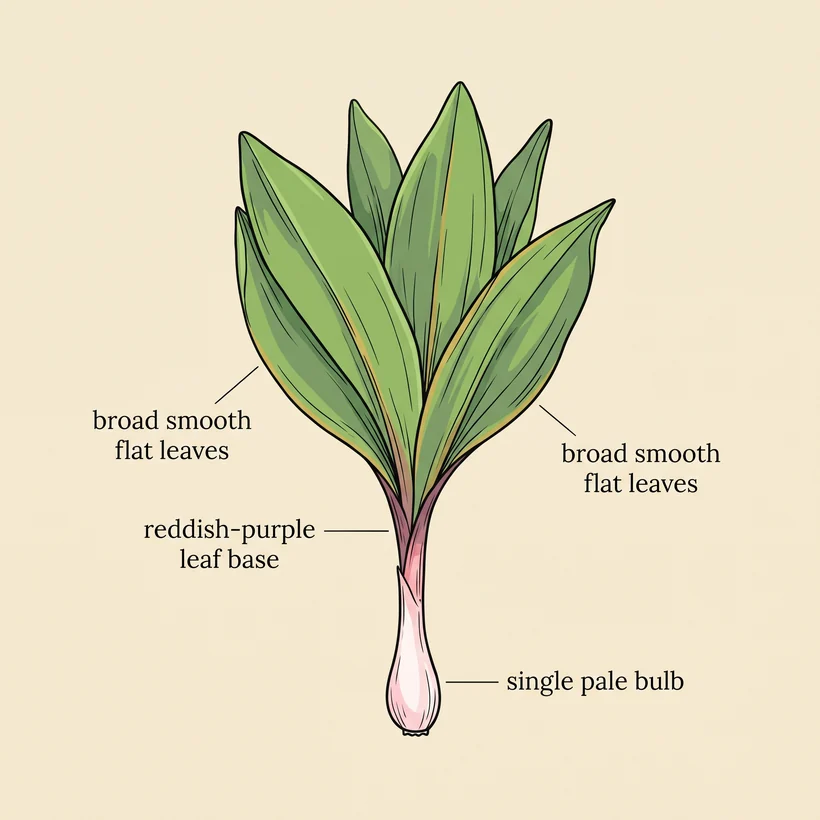
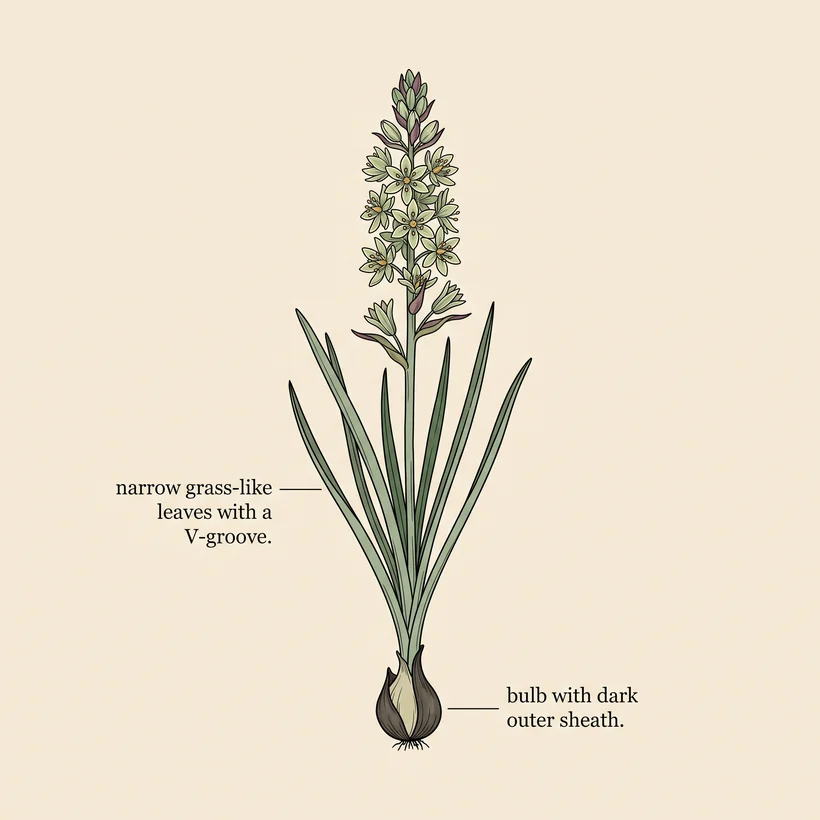
The tell: Crush a leaf — if there is no onion smell, do not eat it. Smell each leaf separately and wash your hands between — scent on your fingers can fool you. Also rule out false hellebore: pleated, ribbed leaves, no smell, and deadly.
2 · Watercress vs. Water Hemlock & Fool's Watercress致命
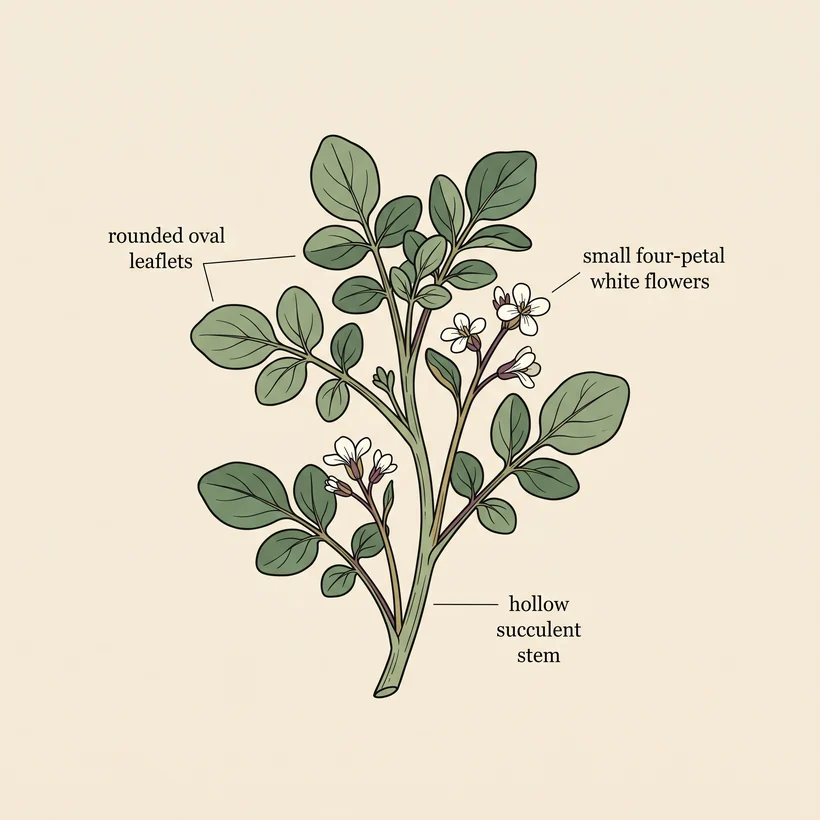
The tell: Watercress has smooth-edged leaflets and four-petaled flowers. Toothed leaflets or umbrella-shaped flower clusters mean a carrot-family look-alike — water hemlock or fool's watercress. Back away.
3 · Yarrow vs. Poison Hemlock致命
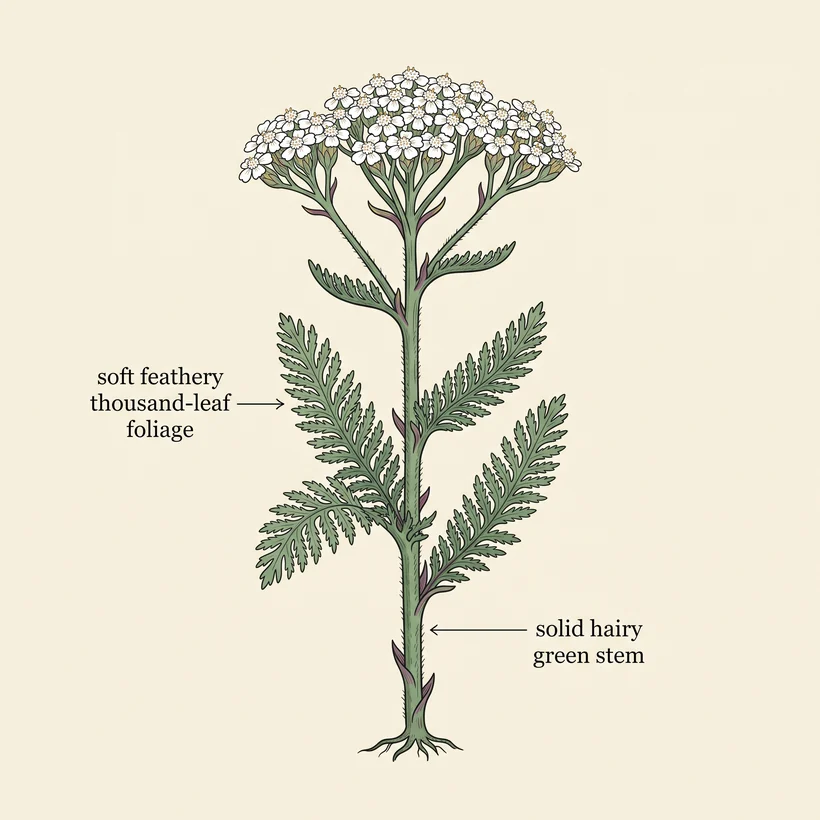
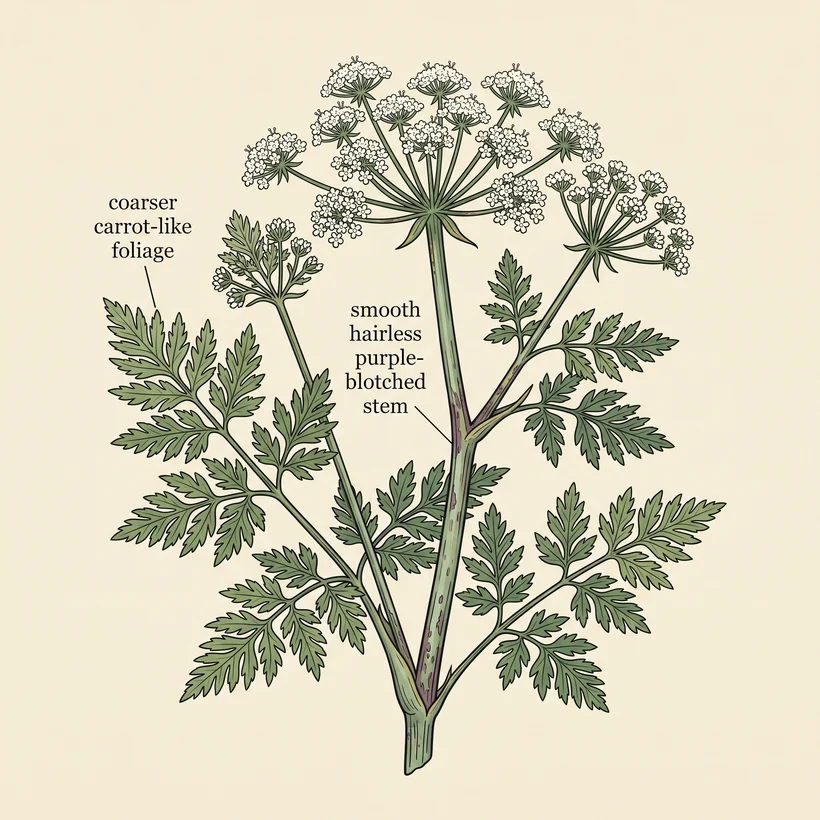
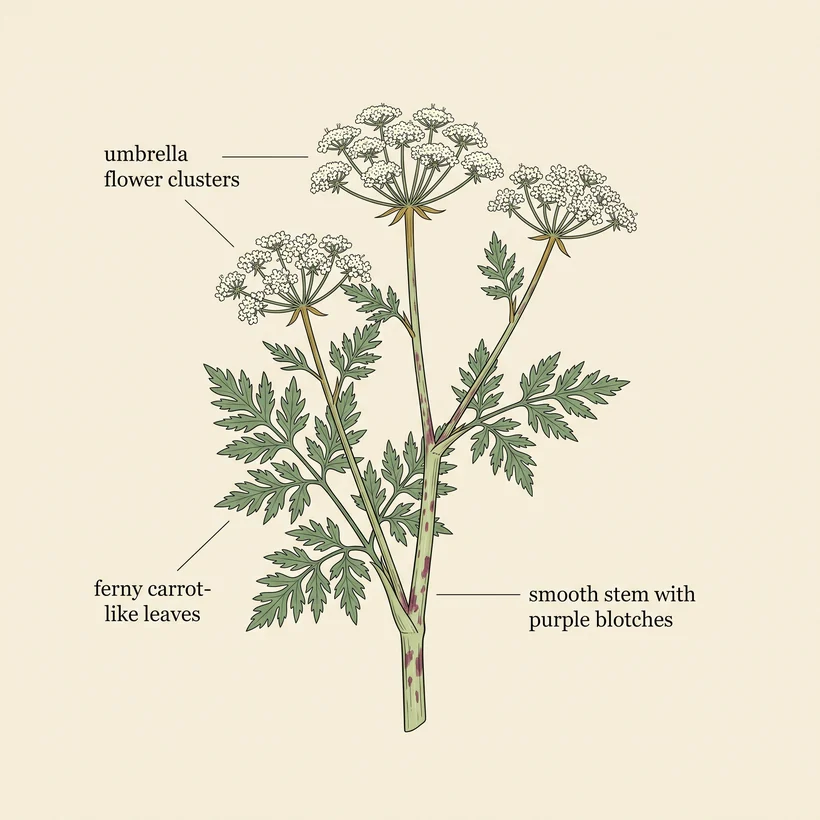
The tell: Hairy solid stem = yarrow. Smooth, purple-spotted stem = walk away.
4 · Comfrey vs. Foxglove (first-year rosette)有毒
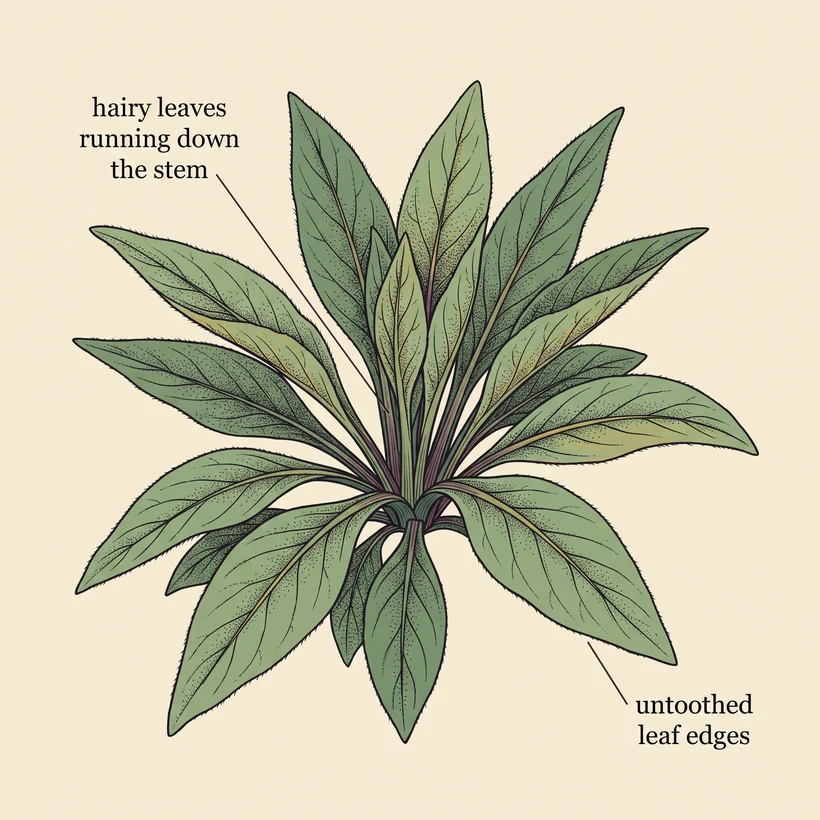
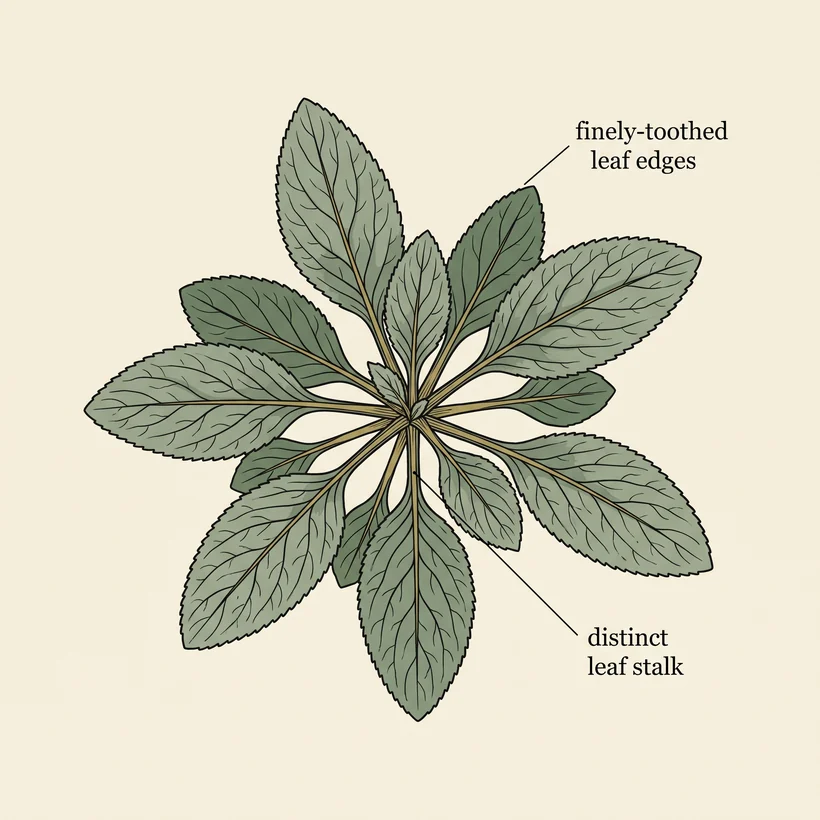
The tell: A toothed edge and a clear leaf-stalk mean foxglove — a heart toxin. Avoid. Only use comfrey you planted yourself and have seen flower.
5 · Milkweed vs. Dogbane有毒
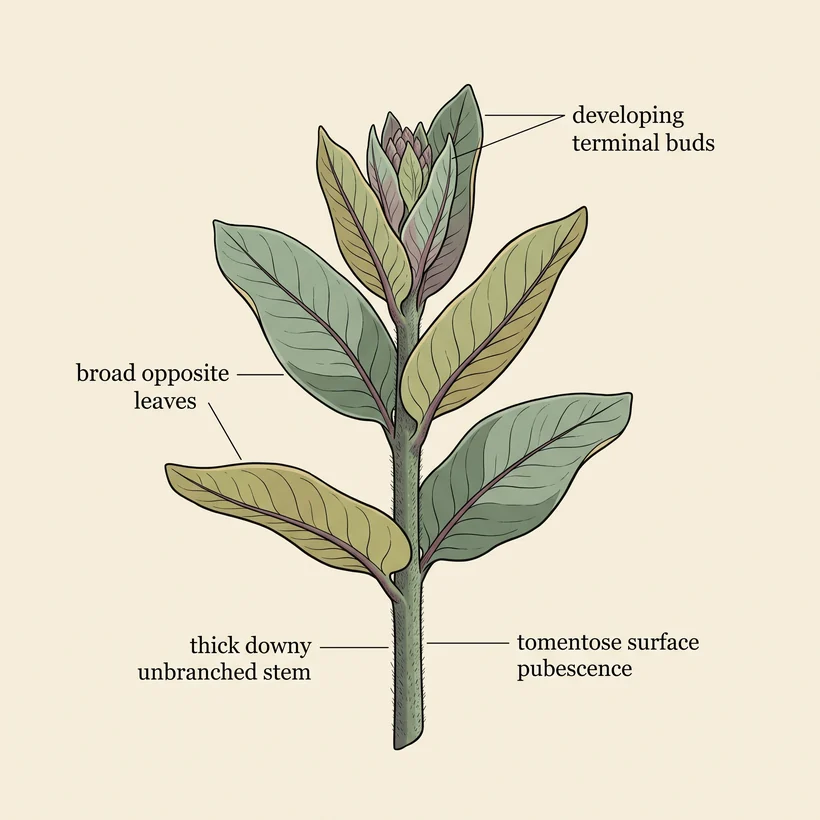
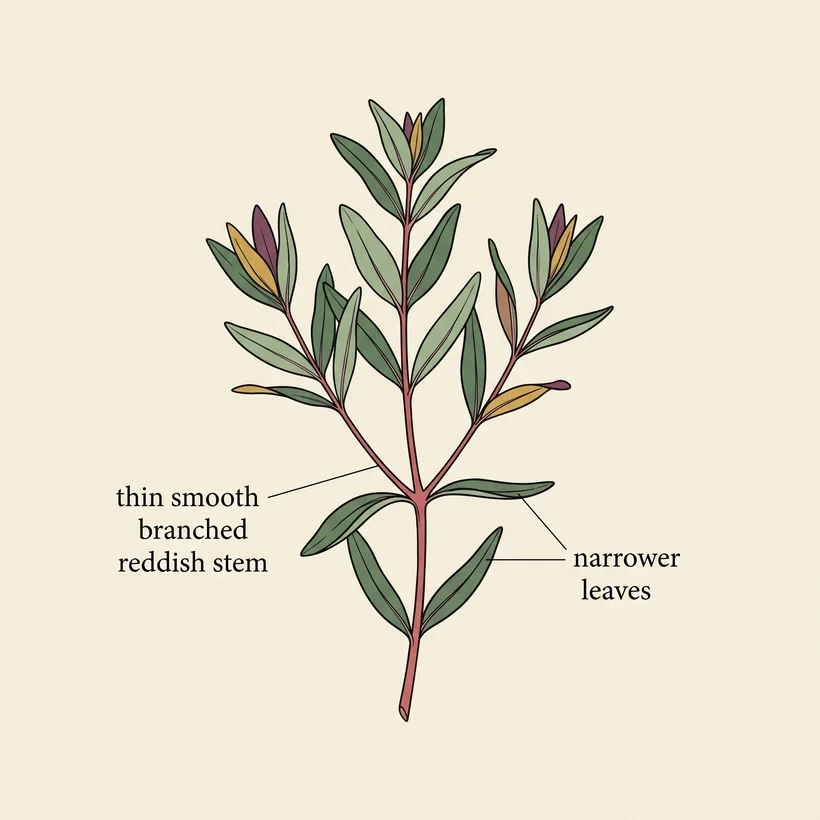
The tell: Young shoots: milkweed is thick and covered in fine hairs; dogbane is thin, smooth, often reddish and hairless. No hairs = don't eat it. Milky sap proves nothing — both have it.
6 · Boneset vs. White Snakeroot有毒
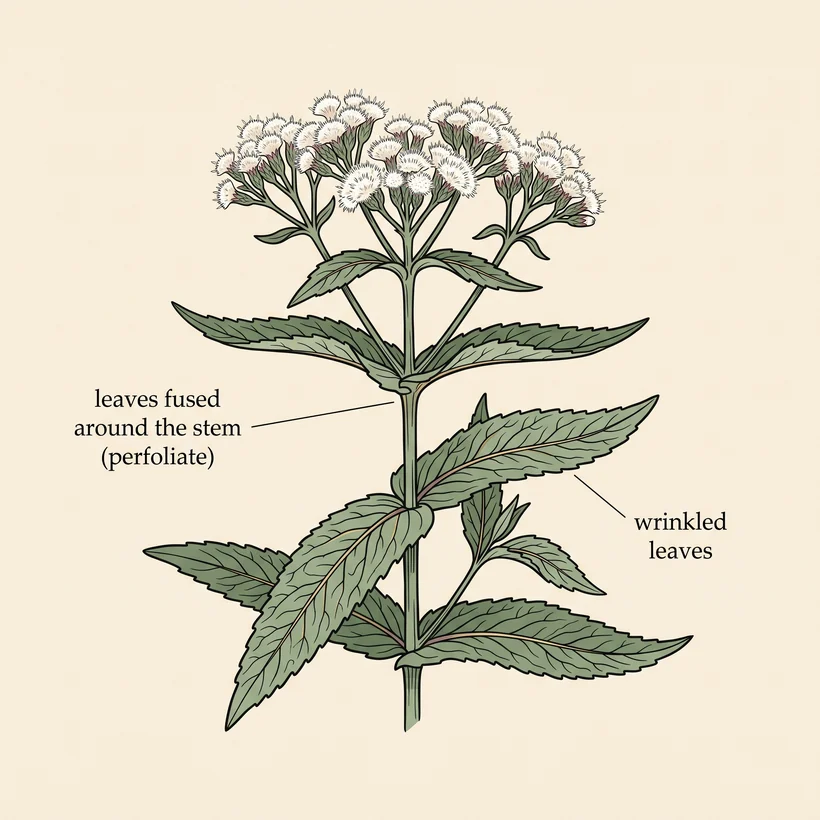
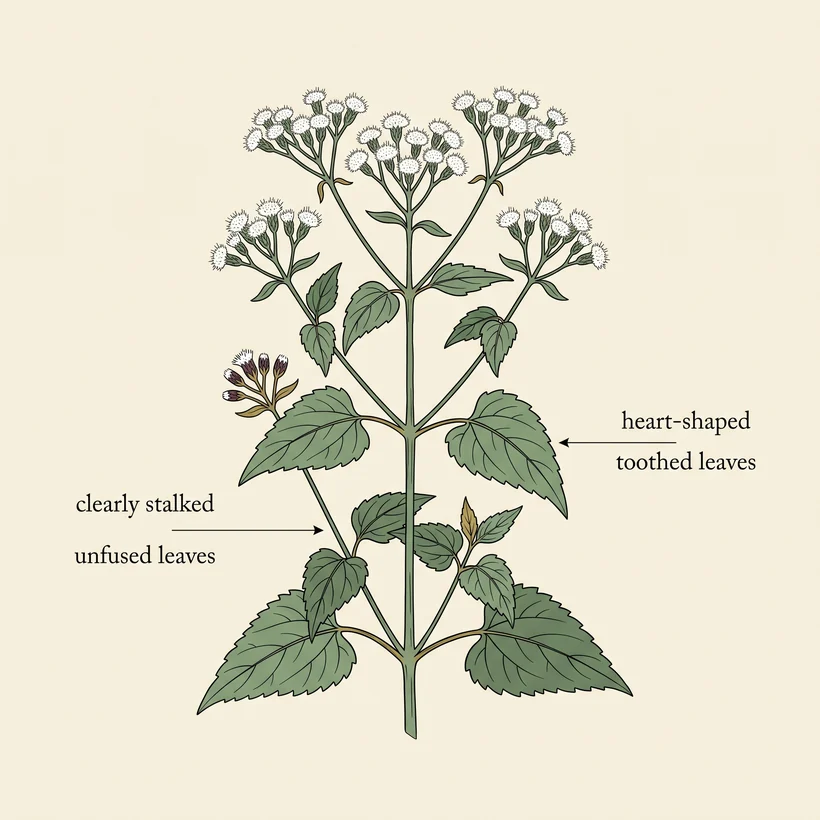
The tell: Stem-through-the-leaf is boneset. Separate stalked leaves are snakeroot — the milk-sickness toxin.
7 · Purslane vs. Prostrate Spurge有毒
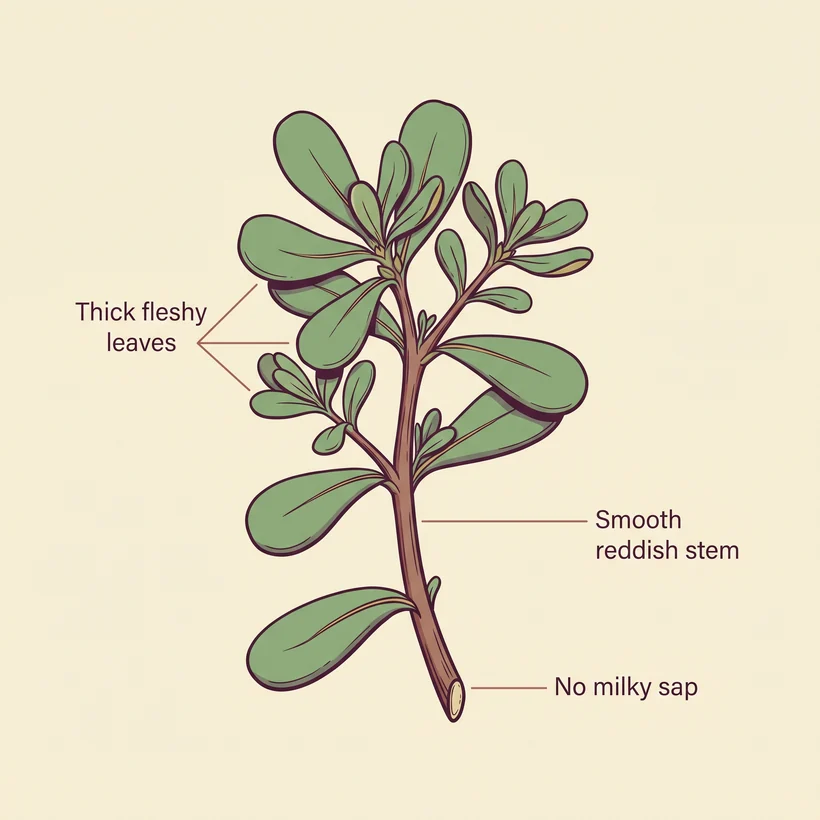
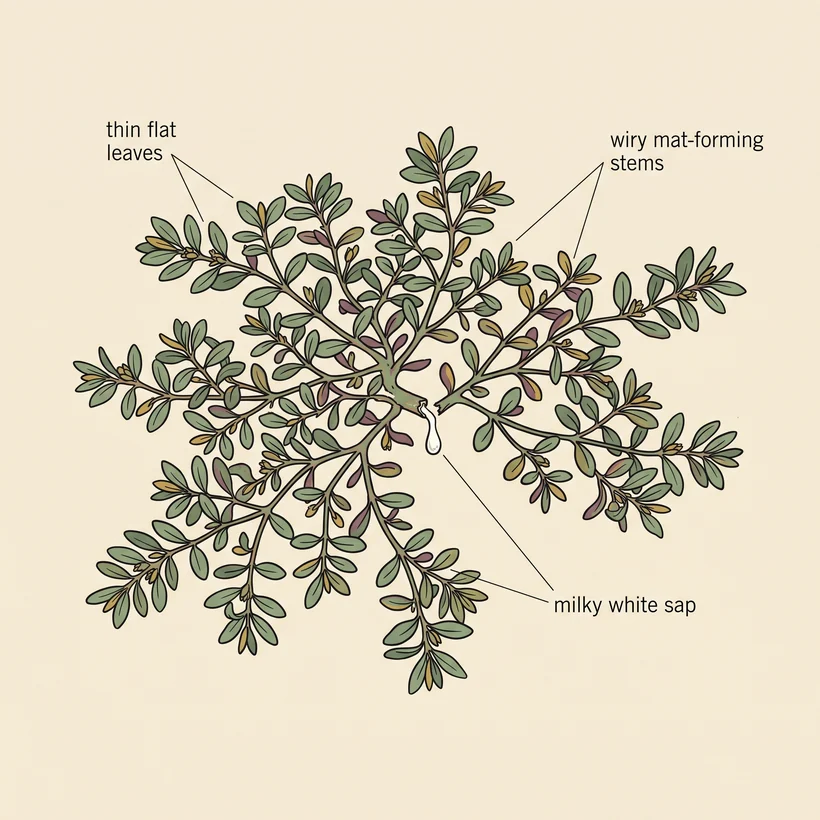
The tell: Snap a stem — milky sap means spurge. Fleshy leaves and no sap means purslane.
8 · Wild Garlic vs. Autumn Crocus致命
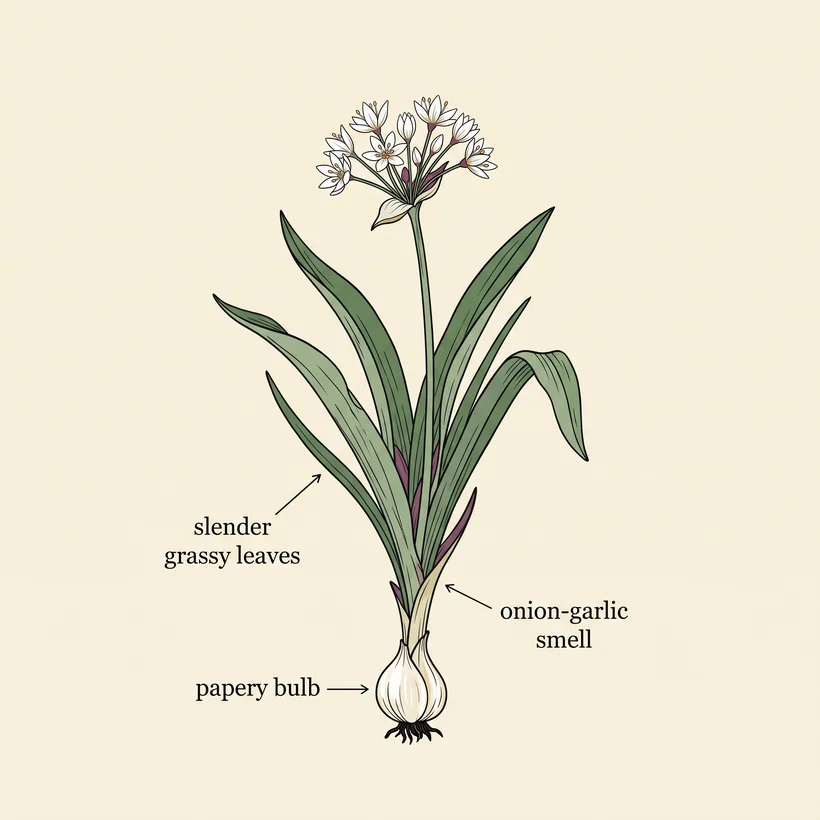
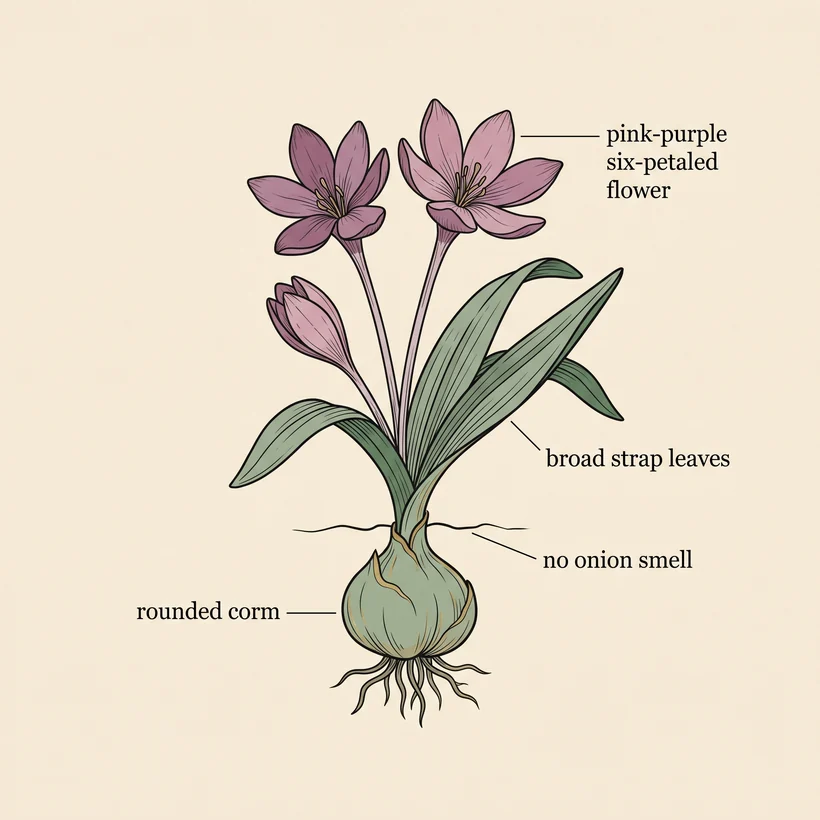
The tell: No onion smell means do not eat it — autumn crocus colchicine has no antidote.
9 · Field vs. Marsh Horsetail有毒
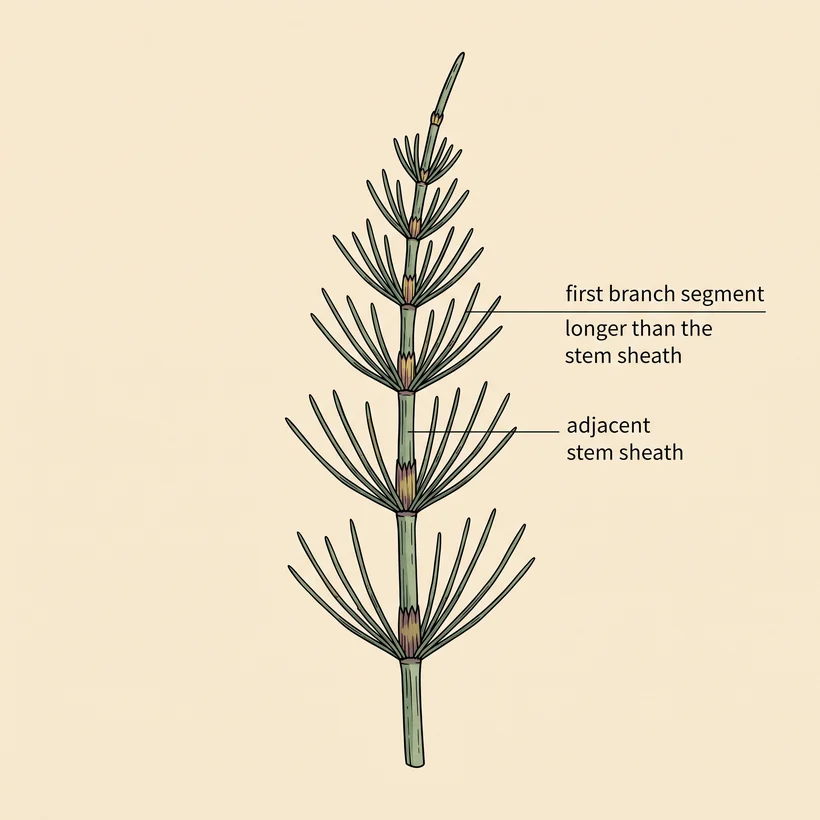
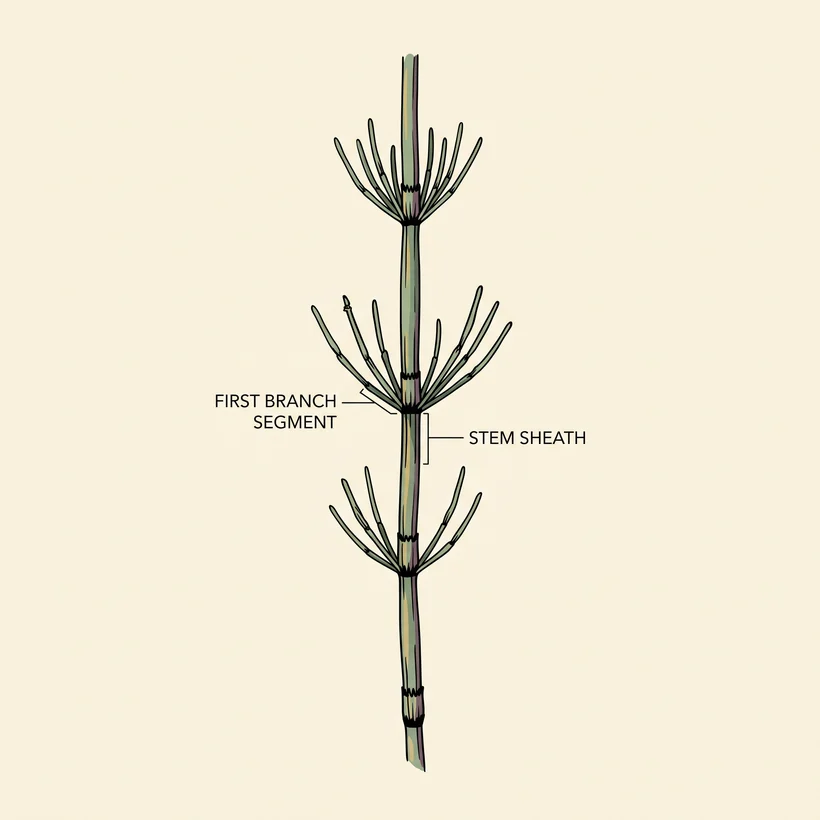
The tell: Compare that first branch segment to the sheath — shorter points to the toxic marsh species.